
How to Tell When a Dead Tree Is No Longer Safe to Leave Standing
A dead tree can become dangerous fast. If a tree has no leaves during the growing season, has brittle branches, peeling bark, or large cracks in the trunk, it may need to come down. Dead tree removal is necessary when the tree poses a safety risk, shows heavy decay, or could fall on your home, car, or power lines. Acting early helps protect your property and the people around it.
Quick Diagnosis: Is the Tree Truly Dead?
Not all trees that look weak are fully dead. Some may just be stressed from heat, drought, or pests. A simple scratch test can help. Scratch a small piece of bark with a knife. If the layer under it is green, the tree may still be alive. If it is dry and brown, the tree is likely dead.
When most of the tree shows no growth during spring and summer, that is a strong sign it will not recover. At that point, dead tree removal should be on your radar.
Common Warning Signs to Watch For
Dead trees often give clear signals before they fall. Look for these red flags around your yard:
- No leaves or buds during the growing season
- Branches that snap easily and have no moisture inside
- Large sections of missing bark
- Mushrooms or fungus growing at the base
- Deep cracks or splits in the trunk
- The tree leaning more than before
- Termite or carpenter ant activity
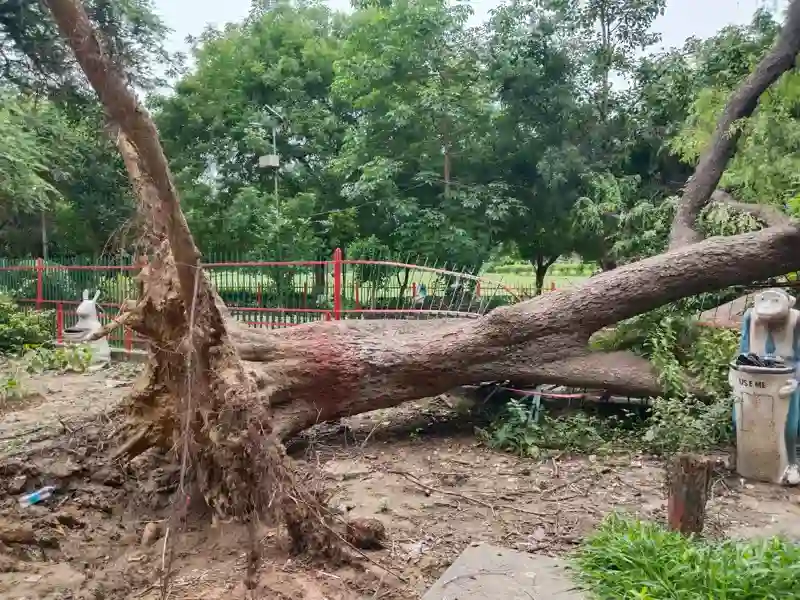
If you spot more than one of these signs, the tree may not be stable. A falling limb can cause injury or damage. In strong wind, a full tree can come down without warning.
What Causes a Tree to Die?
Trees die for many reasons. Some causes happen slowly over time. Others can kill a tree in one season.
Common causes include:
- Severe storms that damage roots or snap the trunk
- Long periods of drought
- Root damage from construction
- Soil compaction that blocks water and air
- Disease or insect infestations
- Old age
Once a tree is dead, it does not get stronger. The wood begins to dry out. It becomes brittle. This makes it more likely to break or fall. That is why tree service professionals often suggest quick action when death is confirmed.
What to Check Before Deciding on Removal
Before setting up dead tree removal, take a closer look at the tree’s location and condition.
Ask yourself:
- Is the tree close to my house or garage?
- Are branches hanging over walkways or driveways?
- Is it near power lines?
- Does it lean toward a neighbor’s yard?
- Are large limbs already falling?
If the tree stands in an open field away from structures, the risk may be lower. Still, even a tree in the back corner of a yard can hurt someone if children play nearby.
Safe Fixes Vs. Professional Removal
Small dead branches can sometimes be trimmed by a homeowner using proper tools and safety gear. Never climb a tall, dead tree. The wood may not hold your weight.
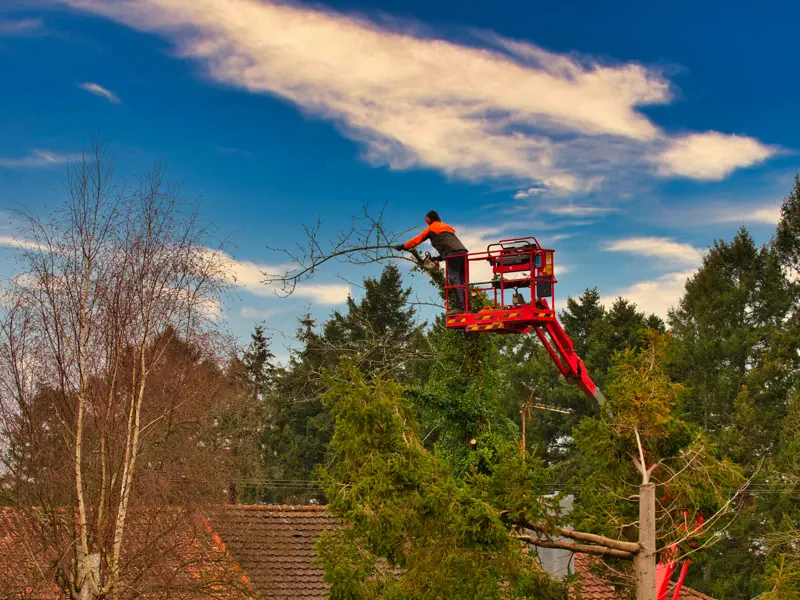
Full dead tree removal is not a DIY job in most cases. Dead trees are unstable. They do not fall the same way healthy trees do. The trunk can split. Branches can fly off during cutting. Special tools and training are needed to lower the tree in sections.
If the tree is large, close to structures, or leaning, call a trained crew. They can inspect the base, check for hollow spots, and decide the safest way to remove it.
Prevention Tips for the Future
You cannot stop every tree from dying, but you can lower the risk.
- Water young trees during dry spells
- Mulch around the base to keep soil moist
- Avoid cutting roots during yard work
- Have trees checked every few years
- Trim weak branches before storms hit
Regular care can catch disease or damage early. A healthy tree is less likely to become a hazard.
Schedule Help Before It Becomes an Emergency
If you suspect a tree on your property is dead, it is best not to wait. We provide dead tree removal services in Marietta, GA to help keep homes and yards safe. At Oak Tree Service, LLC, our team can inspect the tree, explain your options, and remove it with care. Call us at (678) 203-6690 to set up an evaluation and protect your property before the next big storm hits.