
Healthier Trees Start With Smart Cutting Practices
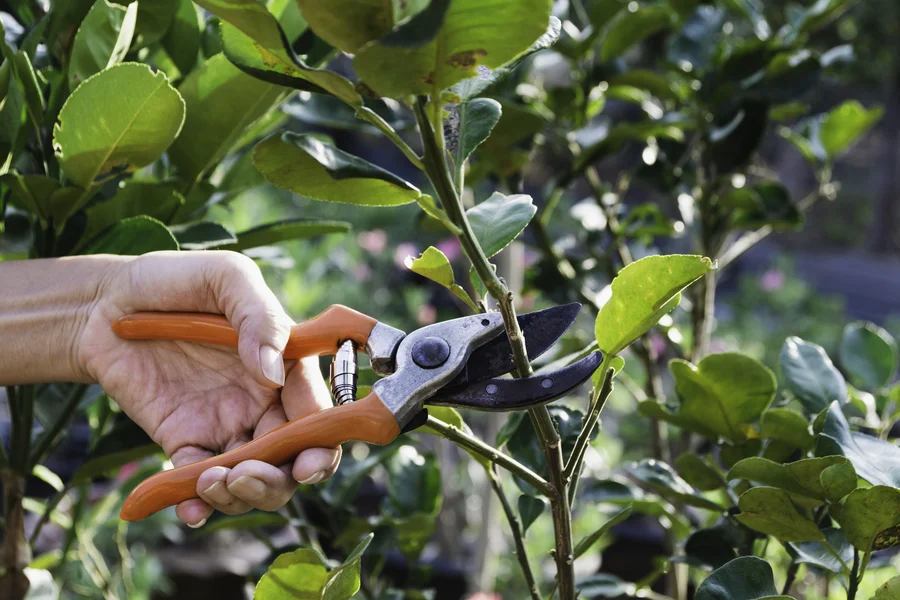
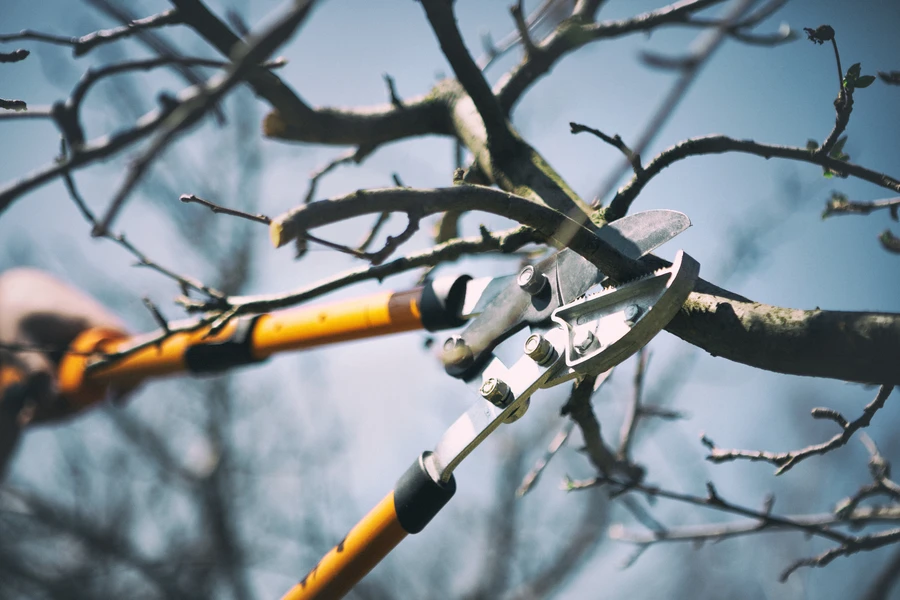
Tree Pruning helps prevent disease and pest infestations by removing weak, dead, or crowded branches before problems spread. When trees have better airflow and more sunlight, harmful fungi and insects have a harder time taking hold. Clean cuts also stop decay from moving deeper into the trunk. With regular care, your trees stay stronger and less likely to suffer major damage.
Why Prevention Matters
Trees can look fine on the outside but still have hidden trouble. Diseased limbs often start small. A cracked branch after a storm may seem minor. Over time, that small issue can attract insects or cause rot. Once pests move in, they spread fast.
Preventive tree pruning removes these risks early. By thinning crowded areas, you reduce moisture buildup. Many plant diseases thrive in damp, shaded spots. Opening up the canopy helps leaves dry faster after rain. That simple step can make a big difference.
Early Warning Signs
Spotting problems early makes prevention easier. Look for these signs during the growing season:
- Dead or hanging branches
- Leaves with dark spots or unusual colors
- Holes in bark or sawdust near the base
- Branches rubbing against each other
- Thick, crowded growth blocking sunlight
If you notice any of these issues, it may be time to trim back certain areas. Acting fast can stop insects and disease from spreading to healthy parts of the tree.
Seasonal or Routine Checklist
Consistent care through the year keeps trees in better shape. Here is a simple routine to follow:
- Inspect trees in early spring before full leaf growth.
- Remove dead or broken limbs after storms.
- Thin dense canopies to improve airflow.
- Cut away branches touching your home or roof.
- Clean up fallen branches and debris from the ground.
Late winter and early spring are often ideal times for larger pruning jobs. Trees are dormant, which lowers stress and reduces disease risk. Light trimming can still be done during other seasons if needed.
Best Practices for Long-Term Results
Not all cutting is helpful. Proper technique matters. Clean, sharp tools make smooth cuts that heal faster. Jagged cuts invite decay and insects. Each cut should be made just outside the branch collar, which is the slightly swollen area where the branch meets the trunk.
It also helps to avoid removing too much at once. Taking off more than 25 percent of the canopy can weaken a tree. Weak trees become easy targets for beetles, borers, and fungal infections.
Spacing branches evenly allows air and sunlight to move freely. This reduces mold growth and keeps leaves dry. Healthy airflow is one of the simplest ways to guard against pests.
What Not to Do
Some common mistakes can do more harm than good. Topping a tree, which means cutting large branches down to stubs, creates open wounds. These wounds often rot and invite insects.
Avoid leaving branch stubs. They decay slowly and can spread disease into the trunk. Also, never prune during active pest infestations unless you know how to handle infected material safely. Moving contaminated branches without care can spread the issue.
Do not ignore tool hygiene. Dirty tools can transfer disease from one tree to another. Wiping blades with disinfectant between cuts is a smart habit.
When to Schedule Professional Help
Some pruning jobs are simple. Others need trained attention. Large trees, branches near power lines, and trees with visible disease should be handled by experienced crews. Climbing high into a canopy without proper gear is dangerous.
If you see major cracks, hollow trunks, or heavy insect activity, call for help right away. A professional can inspect the structure of the tree and recommend safe tree pruning methods. Early action may save the tree and prevent damage to your property.
Protect Your Trees With Expert Care
Healthy trees add shade, beauty, and value to properties across Marietta, GA. At Oak Tree Service, LLC, we provide careful tree pruning that helps stop disease and pests before they spread. Our team focuses on safe methods and long-term tree health. Call us at (678) 203-6690 to schedule service or ask questions about caring for your trees.