Why Taking Down Dying Trees Helps Protect Your Home and Family
Dead trees are more than an eyesore. They can fall without warning, drop large limbs, and cause serious damage. Dead tree removal lowers the risk of injury, roof damage, car damage, and even power outages. When a tree is no longer alive, its wood becomes weak and brittle. That weakness turns it into a safety threat, especially during wind, rain, or storms.
What You Need to Know Before Getting Started
Before planning any dead tree removal, you need to confirm the tree is truly dead. A dead tree often has no leaves during the growing season, brittle branches that snap easily, and bark that falls off in chunks. You may also see large cracks in the trunk or fungus growing around the base.
It also helps to check:
- How close the tree is to your home, driveway, or power lines
- If large limbs are hanging over areas people walk
- Whether the trunk is leaning more than usual
- If the roots are lifting from the ground
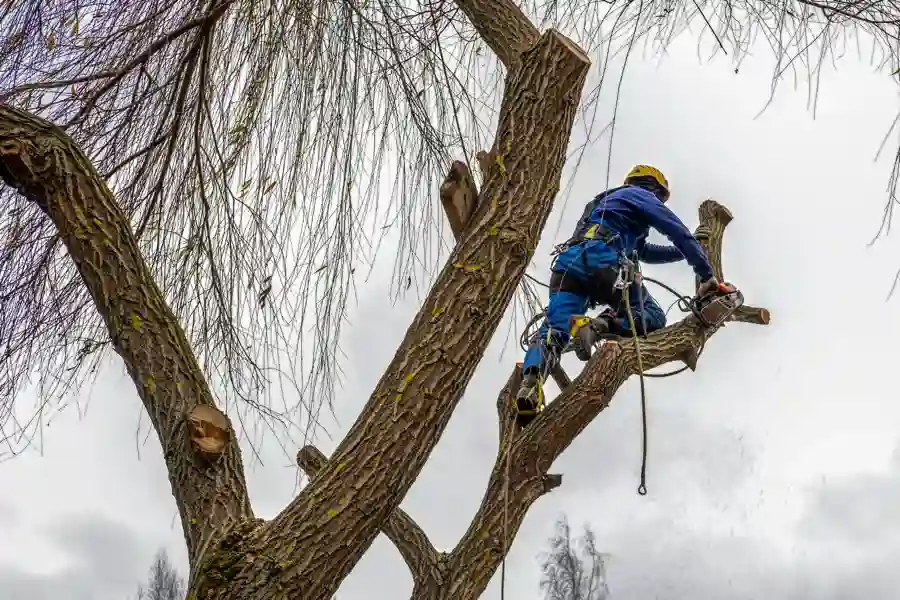
These signs can point to a higher safety risk. Large trees or trees near structures require special tools and training. This type of tree care is not the same as trimming small branches.
Step-by-Step: How Removing a Dead Tree Reduces Risk
Removing a dead tree is not just about cutting it down. The process reduces danger in a clear way.
- Inspection: The tree is checked for weak spots, cracks, and lean. This helps plan a safe removal.
- Clearing the area: Objects like patio furniture, cars, and yard decor are moved away.
- Controlled cutting: Limbs are removed in sections so they do not fall freely.
- Careful trunk removal: The trunk is cut in stages to control where it lands.
- Debris cleanup: All branches and wood are cleared to prevent trip hazards.
Each step lowers the chance of falling wood hitting something or someone. Once the tree is gone, there is no longer a risk of sudden branch drop during the next storm.
Common Mistakes to Avoid
Many homeowners try to handle dead tree removal on their own. This can lead to serious injuries or costly damage.
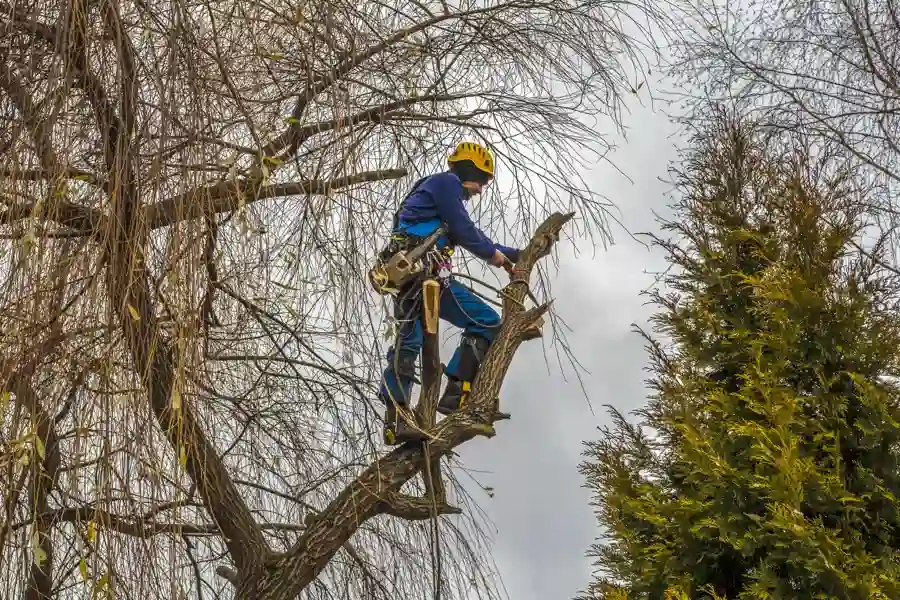
- Using a ladder with a chainsaw
- Cutting large limbs all at once
- Ignoring the direction the tree may fall
- Working near power lines without proper training
Dead wood is unpredictable. It can split or snap faster than expected. A branch may look solid but break under its own weight. These mistakes often lead to falls, cuts, or crushed property.
When You Should Call a Professional
Some small dead trees can be handled safely with hand tools. But many situations call for skilled help. You should contact a professional if:
- The tree is taller than your home
- It leans toward a structure
- Large limbs hang over a roof or driveway
- It is close to power lines
- The trunk shows deep cracks or splits
Tree removal experts have safety gear, climbing equipment, and cutting tools made for heavy wood. They also know how to control where each piece falls. This lowers the chance of injury and property damage.
In many neighborhoods, old or storm-damaged trees are a major cause of insurance claims. A single falling limb can break a car windshield or punch through a roof. Taking action early helps avoid these problems.
Why Fast Action Matters
Dead trees do not get stronger with time. The longer they stand, the weaker they become. Weather makes the risk worse. Wind pushes on brittle limbs. Rain softens the ground around loose roots. Snow and ice add extra weight to weak branches.
Even on a calm day, a dead branch can fall without warning. Children playing in the yard, pets running around, or guests walking to your front door could be at risk. Removing the tree removes the threat.
Protect Your Property and the People Around It
If you have a dead or dying tree in Marietta, GA, it is smart to act before it causes harm. At Oak Tree Service, LLC, we handle dead tree removal with a focus on safety for your home and your family. We use proper equipment and careful planning to lower risk at every step. Call us at (678) 203-6690 to schedule a visit and talk about the safest way to remove your hazardous tree.